[참고문헌]
[1] Sitohang, I. B. S., & Ninditya, S. (2020). Systemic Glutathione as a Skin-Whitening Agent in Adult. Dermatology Research and Practice, 2020. https://doi.org/10.1155/2020/8547960
[2] Arjinpathana, N., & Asawanonda, P. (2012). Glutathione as an oral whitening agent: A randomized, double-blind, placebo-controlled study. Journal of Dermatological Treatment, 23, 102 - 97. https://doi.org/10.3109/09546631003801619
[3] Handog, E., Datuin, M., & Singzon, I. A. (2016). An open‐label, single‐arm trial of the safety and efficacy of a novel preparation of glutathione as a skin‐lightening agent in Filipino women. International Journal of Dermatology, 55. https://doi.org/10.1111/ijd.12999 [4] Sitohang, I. B. S., Anwar, A., Jusuf, N., Arimuko, A., Norawati, L., & Veronica, S. (2021). Evaluating Oral Glutathione Plus Ascorbic Acid, Alpha-lipoic Acid, and Zinc Aspartate as a Skin-lightening Agent: An Indonesian Multicenter, Randomized, Controlled Trial. The Journal of clinical and aesthetic dermatology, 14 7, E53-E58.
[5] Witschi, A., Reddy, S., Stofer, B., & Lauterburg, B. H. (1992). The systemic availability of oral glutathione. European Journal of Clinical Pharmacology, 43, 667-669. https://doi.org/10.1007/bf02284971
[6] Yin, N., Harris, P. W. R., Liu, M., Sun, J., Chen, G., Wen, J., & Brimble, M. (2025). Enhancing the Oral Bioavailability of Glutathione Using Innovative Analogue Approaches. Pharmaceutics, 17. https://doi.org/10.3390/pharmaceutics17030385
[7] Richie, J., Nichenametla, S., Neidig, W., Calcagnotto, A., Haley, J. S., Schell, T., & Muscat, J. (2014). Randomized controlled trial of oral glutathione supplementation on body stores of glutathione. European Journal of Nutrition, 54, 251-263. https://doi.org/10.1007/s00394-014-0706-z
[8] Solnier, J., Du, M., Zhang, Y., Roh, Y. S., Kuo, Y. C., Ibi, A., Wood, S., Hardy, M., Gahler, R. J., & Chang, C. (2026). A Targeted Metabolomic Assessment of Oral Glutathione Bioavailability and Safety in Humans: A Randomized Crossover Clinical. Antioxidants, 15 https://doi.org/10.3390/antiox15030354
[9] Au, S., Dawi, J., Affa, S., Misakyan, Y., Gonzalez, E., Chorbajian, A., Hammi, M., Dave, P., Qumsieh, K., & Venketaraman, V. (2026). Efficacy and Safety of Glutathione Supplementation in Type 2 Diabetes & Diabetes Complications. Nutrients, 18. https://doi.org/10.3390/nu18132132
[10] Arjinpathana, N., & Asawanonda, P. (2012). Glutathione as an oral whitening agent: A randomized, double-blind, placebo-controlled study. Journal of Dermatological Treatment, 23, 102 - 97. https://doi.org/10.3109/09546631003801619
[11] Jung, E.-S., Jang, H.-Y., Jung, S.-J., Kim, B.-H., Kim, Y.-J., Moon, J.-H., Chae, S.-W., & Lee, S.-O. (2026). Formulation-dependent differences in systemic glutathione availability: Comparative pharmacokinetics of orally dissolving film and tablet formulations in healthy adults. European journal of pharmaceutics and biopharmaceutics, 115174. https://doi.org/10.1016/j.ejpb.2026.115174
[12] Solnier, J., Du, M., Zhang, Y., Roh, Y. S., Kuo, Y. C., Ibi, A., Wood, S., Hardy, M., Gahler, R. J., & Chang, C. (2026). A Targeted Metabolomic Assessment of Oral Glutathione Bioavailability and Safety in Humans: A Randomized Crossover Clinical Trial. Antioxidants, 15. https://doi.org/10.3390/antiox15030354
[13] Weschawalit, S., Thongthip, S., Phutrakool, P., & Asawanonda, P. (2017). Glutathione and its antiaging and antimelanogenic effects. Clinical, Cosmetic and Investigational Dermatology, 10, 147 - 153. https://doi.org/10.2147/ccid.s128339
[14] Lapenna, D. (2023). Glutathione and Glutathione-dependent Enzymes: From Biochemistry to Gerontology and Successful Aging. Ageing research reviews, 102066. https://doi.org/10.1016/j.arr.2023.102066
[15] Di Giacomo, C., Malfa, G., Tomasello, B., Bianchi, S., & Acquaviva, R. (2023). Natural Compounds and Glutathione: Beyond Mere Antioxidants. Antioxidants, 12. https://doi.org/10.3390/antiox12071445 [16] Vázquez-Meza, H., Vilchis-Landeros, M. M., Vázquez-Carrada, M., Uribe-Ramírez, D., & Matuz-Mares, D. (2023). Cellular Compartmentalization, Glutathione Transport and Its Relevance in Some Pathologies. Antioxidants, 12. https://doi.org/10.3390/antiox12040834
[17] Gasmi, A., Nasreen, A., Lenchyk, L., Lysiuk, R., Peana, M., Shapovalova, N., Piscopo, S., Komissarenko, M., Shanaida, M., Smetanina, K., Antonyak, H., Fira, L., Lykhatskyi, P., Fira, D., & Bjørklund, G. (2023). An Update on Glutathione's Biosynthesis, Metabolism, Functions, and Medicinal Purposes. Current medicinal chemistry. https://doi.org/10.2174/0109298673251025230919105818
[18] Ibrahim, M. (2026). Glutathione: A Tripeptide with Functions Beyond Antioxidant Activity. Asian Journal of Biochemistry, Genetics and Molecular Biology. https://doi.org/10.9734/ajbgmb/2026/v18i4531
[19] Stanescu, C., Chiscop, I., Boev, M., Stanescu, G.-D., & Matei, M. (2026). Glutathione in Skin Aging and Tissue Regeneration: A Systematic Review of Molecular Mechanisms, Redox Modulation, and Biomedical Implications. Molecules, 31. https://doi.org/10.3390/molecules31060981
[20] Cui, X., Mi, T., Xiao, X., Zhang, H., Dong, Y., Huang, N., Gao, P., Lee, J., Guelakis, M., & Gu, X. (2024). Topical glutathione amino acid precursors protect skin against environmental and oxidative stress. Journal of the European Academy of Dermatology and Venereology, 38, 11 - 3. https://doi.org/10.1111/jdv.19717
[21] Telorack, M., Meyer, M., Ingold, I., Conrad, M., Bloch, W., & Werner, S. (2016). A Glutathione-Nrf2-Thioredoxin Cross-Talk Ensures Keratinocyte Survival and Efficient Wound Repair. PLoS Genetics, 12. https://doi.org/10.1371/journal.pgen.1005800
[22] Lee, E., Park, H.-Y., Kim, S.-W., Kim, J., & Lim, K.-Y. (2023). Vitamin C and glutathione supplementation: a review of their additive effects on exercise performance. Physical Activity and Nutrition, 27, 36 - 43. https://doi.org/10.20463/pan.2023.0027
[23] Lenton, K. J., Sané, A., Therriault, H., Cantin, A., Payette, H., & Wagner, J. (2003). Vitamin C augments lymphocyte glutathione in subjects with ascorbate deficiency. The American journal of clinical nutrition, 77 1, 189-95. https://doi.org/10.1093/ajcn/77.1.189
[24] Johnston, C. S., Meyer, C. G., & Srilakshmi, J. (1993). Vitamin C elevates red blood cell glutathione in healthy adults. The American journal of clinical nutrition, 58 1, 103-5. https://doi.org/10.1093/ajcn/58.1.103
[25] Biswas, P., Dellanoce, C., Vezzoli, A., Mrakic-Sposta, S., Malnati, M., Beretta, A., & Accinni, R. (2020). Antioxidant Activity with Increased Endogenous Levels of Vitamin C, E and A Following Dietary Supplementation with a Combination of Glutathione and Resveratrol Precursors. Nutrients, 12. https://doi.org/10.3390/nu12113224
[26] Tram, N. K., McLean, R. M., & Swindle-Reilly, K. (2020). Glutathione Improves the Antioxidant Activity of Vitamin C in Human Lens and Retinal Epithelial Cells: Implications for Vitreous Substitutes. Current Eye Research, 46, 470 - 481. https://doi.org/10.1080/02713683.2020.1809002
[27] Chen, L., Shi, X., Liu, H., Mao, X., Gui, L.-N., Wang, H., & Cheng, Y. (2021). Oxidative stress marker aberrations in children with autism spectrum disorder: a systematic review and meta-analysis of 87 studies (N = 9109). Translational Psychiatry, 11. https://doi.org/10.1038/s41398-020-01135-3
[28] Williams, P. G., Sears, L., Watson, W. H., Gunaratnam, B., Feygin, Y. B., Wright, S., & Sullivan, J. E. (2025). Glutathione, Vitamin C, and Cysteine Use in Autistic Children With Disruptive Behavior: A Double-Blind, Placebo-Controlled Crossover Pilot Study. Journal of Developmental & Behavioral Pediatrics, 46, e17 - e24. https://doi.org/10.1097/dbp.0000000000001334








 View. 732명이 읽었어요






![[공식몰특가] 여에스더 리포좀 글루타치온 9X 필름 3박스 (총 90매)](https://godomall-storage.cdn-nhncommerce.com/d38889e2d902ed3dcc124f1c31cbbf35/goods/1000001962/image/main/1000001962_main_064.jpg "[공식몰특가] 여에스더 리포좀 글루타치온 9X 필름 3박스 (총 90매)")
![[공식몰특가] 여에스더 유산균 유산균 골드 Pro 4박스 (총 8개월분)](https://godomall-storage.cdn-nhncommerce.com/d38889e2d902ed3dcc124f1c31cbbf35/goods/4071/image/main/4071_main_099.jpg "[공식몰특가] 여에스더 유산균 유산균 골드 Pro 4박스 (총 8개월분)")
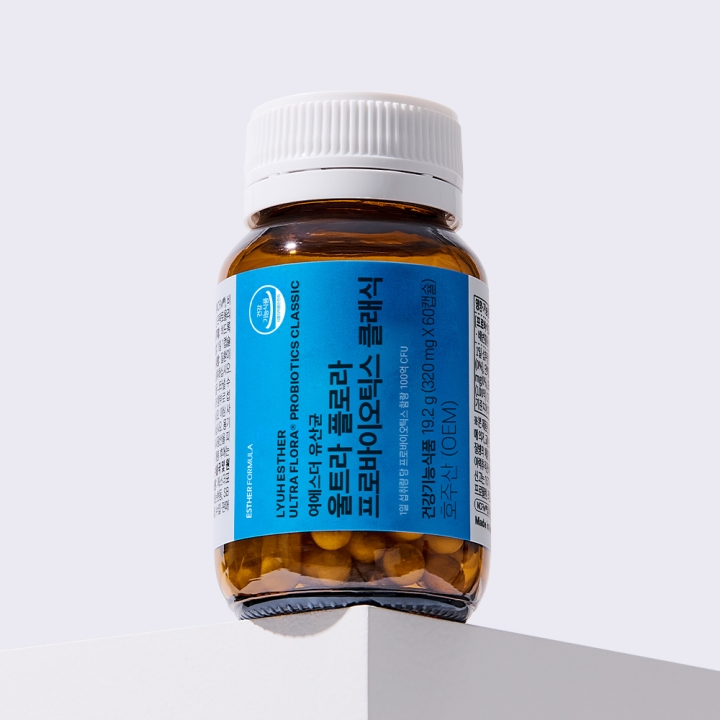
![[공식몰특가] 여에스더 리포좀 NMN(엔엠엔) 울트라 X 필름 3박스 (총 90매)](https://godomall-storage.cdn-nhncommerce.com/d38889e2d902ed3dcc124f1c31cbbf35/goods/1000002648/image/main/1000002648_main_01.jpg "[공식몰특가] 여에스더 리포좀 NMN(엔엠엔) 울트라 X 필름 3박스 (총 90매)")

![[국민영양] 여에스더 초임계 알티지 오메가3 (흡수에 용이한 rTG 오메가3)](https://godomall-storage.cdn-nhncommerce.com/d38889e2d902ed3dcc124f1c31cbbf35/goods/1000002021/image/main/1000002021_main_076.jpg "[국민영양] 여에스더 초임계 알티지 오메가3 (흡수에 용이한 rTG 오메가3)")
![[국민영양] 여에스더 마그네슘 (신경·근육 마그네슘 & 에너지·활력 비타민B군)](https://godomall-storage.cdn-nhncommerce.com/d38889e2d902ed3dcc124f1c31cbbf35/goods/1000002122/image/main/1000002122_main_032.jpg "[국민영양] 여에스더 마그네슘 (신경·근육 마그네슘 & 에너지·활력 비타민B군)")
![[국민영양] 여에스더 포스파티딜세린](https://godomall-storage.cdn-nhncommerce.com/d38889e2d902ed3dcc124f1c31cbbf35/goods/8759/image/main/8759_main_047.jpg "[국민영양] 여에스더 포스파티딜세린")
![[국민영양] 여에스더 리포좀 비타민C 플러스 (체내 흡수율 UP 비타민C 500%)](https://godomall-storage.cdn-nhncommerce.com/d38889e2d902ed3dcc124f1c31cbbf35/goods/1000002288/image/main/1000002288_main_026.jpg "[국민영양] 여에스더 리포좀 비타민C 플러스 (체내 흡수율 UP 비타민C 500%)")
![[국민영양] 여에스더 멀티비타민 미네랄 (비타민&미네랄 21종)](https://godomall-storage.cdn-nhncommerce.com/d38889e2d902ed3dcc124f1c31cbbf35/goods/1000002032/image/main/1000002032_main_087.jpg "[국민영양] 여에스더 멀티비타민 미네랄 (비타민&미네랄 21종)")
![[국민영양] 여에스더 식물성 멜라토닌 멜라나인 플러스 (1정당 2mg)](https://godomall-storage.cdn-nhncommerce.com/d38889e2d902ed3dcc124f1c31cbbf35/goods/1000002156/image/main/1000002156_main_013.jpg "[국민영양] 여에스더 식물성 멜라토닌 멜라나인 플러스 (1정당 2mg)")
![[국민영양] 여에스더 코큐텐 컴플렉스 (높은 혈압 감소·항산화 기능성 코엔자임Q10)](https://godomall-storage.cdn-nhncommerce.com/d38889e2d902ed3dcc124f1c31cbbf35/goods/11555/image/main/11555_main_076.jpg "[국민영양] 여에스더 코큐텐 컴플렉스 (높은 혈압 감소·항산화 기능성 코엔자임Q10)")
![[국민영양] 여에스더 루테인&지아잔틴 (눈의 노화 케어 기능성 원료)](https://godomall-storage.cdn-nhncommerce.com/d38889e2d902ed3dcc124f1c31cbbf35/goods/3536/image/main/3536_main_055.jpg "[국민영양] 여에스더 루테인&지아잔틴 (눈의 노화 케어 기능성 원료)")
![[국민영양] 여에스더 어린콜라겐 레티놀A (SCIE급 학술게재 확인 저분자콜라겐 원료)](https://godomall-storage.cdn-nhncommerce.com/d38889e2d902ed3dcc124f1c31cbbf35/goods/1000002139/image/main/1000002139_main_05.jpg "[국민영양] 여에스더 어린콜라겐 레티놀A (SCIE급 학술게재 확인 저분자콜라겐 원료)")
![[국민영양] 여에스더 대마종자유 (100% 캐나다산 프리미엄 냉압착 대마종자유)](https://godomall-storage.cdn-nhncommerce.com/d38889e2d902ed3dcc124f1c31cbbf35/goods/8894/image/main/8894_main_014.jpg "[국민영양] 여에스더 대마종자유 (100% 캐나다산 프리미엄 냉압착 대마종자유)")
![[국민영양] 여에스더 발아 카무트® 브랜드 밀 함유 발효 효소 (정품 카무트 효소)](https://godomall-storage.cdn-nhncommerce.com/d38889e2d902ed3dcc124f1c31cbbf35/goods/1000001109/image/main/1000001109_main_014.jpg "[국민영양] 여에스더 발아 카무트® 브랜드 밀 함유 발효 효소 (정품 카무트 효소)")
![[국민영양] 여에스더 맥주효모 비오틴 울트라 케어 5200 맥스 (국내 최대 함량 맥주효모)](https://godomall-storage.cdn-nhncommerce.com/d38889e2d902ed3dcc124f1c31cbbf35/goods/15763/image/main/15763_main_021.jpg "[국민영양] 여에스더 맥주효모 비오틴 울트라 케어 5200 맥스 (국내 최대 함량 맥주효모)")
![[보태니컬] 여에스더 유기농 레드와인비니거 100%](https://godomall-storage.cdn-nhncommerce.com/d38889e2d902ed3dcc124f1c31cbbf35/goods/1000003349/image/main/1000003349_main_043.jpg "[보태니컬] 여에스더 유기농 레드와인비니거 100%")
![[보태니컬] 여에스더 유기농 엑스트라버진 올리브오일 100%](https://godomall-storage.cdn-nhncommerce.com/d38889e2d902ed3dcc124f1c31cbbf35/goods/1000002472/image/main/1000002472_main_010.jpg "[보태니컬] 여에스더 유기농 엑스트라버진 올리브오일 100%")
회원에게만 댓글 작성 권한이 있습니다.
로그인하고 의견 남기기